Joint Pain Treatment in Bloomfield, IA
Now Accepting New Patients - Transparent insurance-Free care!
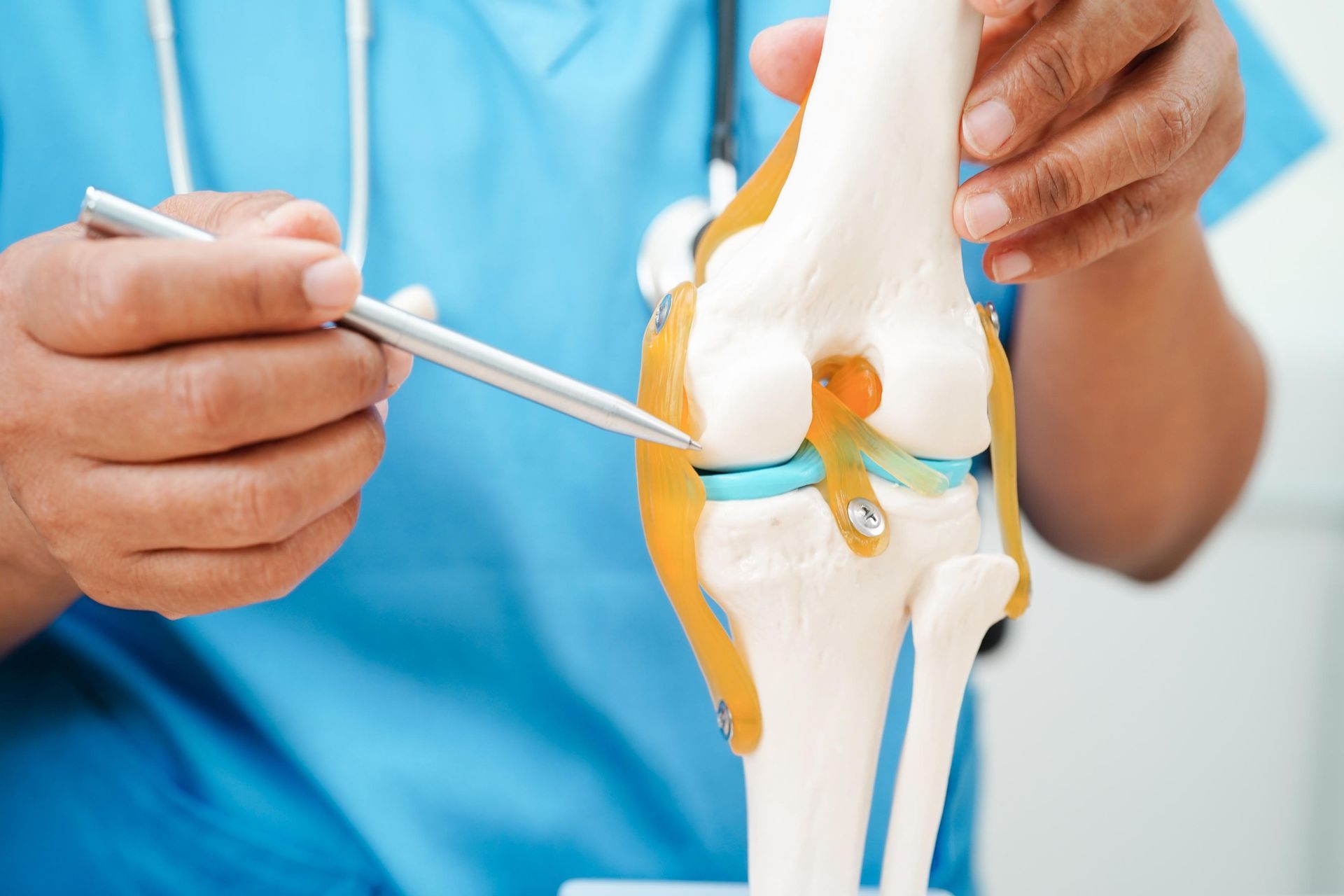
Chiropractic Evaluation of Joint Function and Musculoskeletal Health
Joint pain care at Kauzlarich Chiropractic in Bloomfield, IA focuses on the assessment of joint mobility, alignment, and surrounding musculoskeletal structures that influence movement and comfort. Joint pain can affect areas such as the spine, shoulders, hips, knees, and extremities, and may develop from repetitive stress, injury, or gradual wear on joint structures over time.
Each appointment is scheduled individually to allow for a detailed evaluation of joint function, movement patterns, and symptom history. The assessment process focuses on identifying restrictions in mobility, muscular imbalance, and mechanical stress that may be contributing to discomfort.
Spinal and Extremity Joint Mobility Assessment
Joints throughout the body rely on proper alignment and smooth movement to function effectively. When mobility is restricted, it can affect daily activities and overall physical performance.
Spinal Joint Function Evaluation
The spinal joints are assessed for movement restriction and alignment changes that may influence pain or stiffness. This includes evaluating how each region of the spine contributes to overall posture and mobility.
Shoulder and Upper Extremity Joint Assessment
Shoulder, elbow, and wrist joints are evaluated for range of motion limitations and functional stress patterns. Repetitive upper body use or overhead activity may contribute to joint irritation in these areas.
Hip, Knee, and Lower Extremity Function Analysis
Lower body joints are assessed for stability and movement efficiency. The hips and knees are particularly important for walking, standing, and weight-bearing activities, and dysfunction in these areas can influence overall mobility.
Joint Pain and Movement Restriction Patterns
Joint pain often presents alongside reduced mobility and stiffness, which can affect both simple and complex movements.
Range of Motion Limitation Evaluation
Restricted joint movement is assessed through controlled physical examination. Reduced flexibility may indicate mechanical dysfunction or muscular tightness affecting the joint
Joint Stiffness and Functional Discomfort Observation
Stiffness is evaluated in relation to activity patterns such as standing, walking, or lifting. These observations help identify how joint function changes throughout daily movement.
Compensatory Movement Patterns
When one joint is restricted, other areas of the body may compensate to maintain movement. This can create additional stress in surrounding joints and muscles.
Musculoskeletal Strain and Joint Stress Factors
Joint pain may develop from a variety of mechanical and lifestyle-related factors that place stress on the body over time.
Repetitive Motion and Overuse Stress
Repeated movement patterns can contribute to wear and irritation in joint structures. Evaluation includes identifying activities that may place ongoing stress on specific joints.
Postural and Weight-Bearing Influence
Posture and body alignment affect how weight is distributed across joints. Poor alignment may increase pressure on certain areas, leading to discomfort or imbalance.
Previous Injury and Structural Changes
Past injuries may influence current joint function by altering movement patterns or stability. These factors are considered during evaluation to understand long-term joint behavior.


Inflammation and Soft Tissue Involvement
Joint pain is often associated with inflammation and surrounding soft tissue tension that can affect mobility and comfort.
Localized Joint Irritation Assessment
Areas of tenderness or swelling are evaluated to determine how inflammation may be influencing joint movement and function.
Muscle Support and Stabilization Patterns
Muscles surrounding joints play a key role in stability. Tightness or weakness in these muscles may contribute to uneven joint loading.
Activity-Related Symptom Variation
Joint pain may change depending on activity level or position. Evaluation includes observing how symptoms respond to movement and rest.
Functional Impact of Joint Pain
Joint dysfunction can affect daily activities, mobility, and physical performance depending on severity and location.
Movement Efficiency and Coordination Changes
Joint pain may reduce smooth movement, leading to stiffness or hesitation during physical activity.
Activity Limitation and Physical Strain
Tasks involving lifting, walking, or reaching may become more difficult when joint function is restricted or painful.
Balance and Stability Influence
Lower extremity joint issues can affect balance and coordination, especially during standing or walking activities.

Chiropractic Evaluation and Ongoing Monitoring
Joint pain care at Kauzlarich Chiropractic
includes structured evaluation and follow-up monitoring to assess changes in joint function over time.
Initial Joint Function Assessment
Each appointment begins with a review of symptom history, activity patterns, and areas of discomfort. This is followed by a physical examination of affected joints.
Movement and Alignment Testing
Joints are assessed through guided movement to identify restrictions, asymmetry, or pain response during motion.
Follow-Up Evaluation of Progress
Ongoing visits allow for monitoring of changes in joint mobility, comfort levels, and functional movement patterns over time.
Appointment-Based Joint Pain Care in Bloomfield, IA
All joint pain evaluations at Kauzlarich Chiropractic are conducted by appointment only to ensure focused, individualized care.
Scheduled Individual Assessment Visits
Each appointment is reserved for one patient, allowing for detailed examination of joint function and symptom review.
Continuity of Care Through Follow-Ups
Joint conditions often require ongoing evaluation. Follow-up visits ensure consistent monitoring of joint mobility and musculoskeletal function.
Structured Clinical Evaluation Process
Each visit follows a consistent assessment approach focused on joint alignment, mobility, and surrounding muscle function.