Work Injury Care in Bloomfield, IA
Now Accepting New Patients - Transparent insurance-Free care!

Chiropractic Evaluation for Job-Related Musculoskeletal Injuries
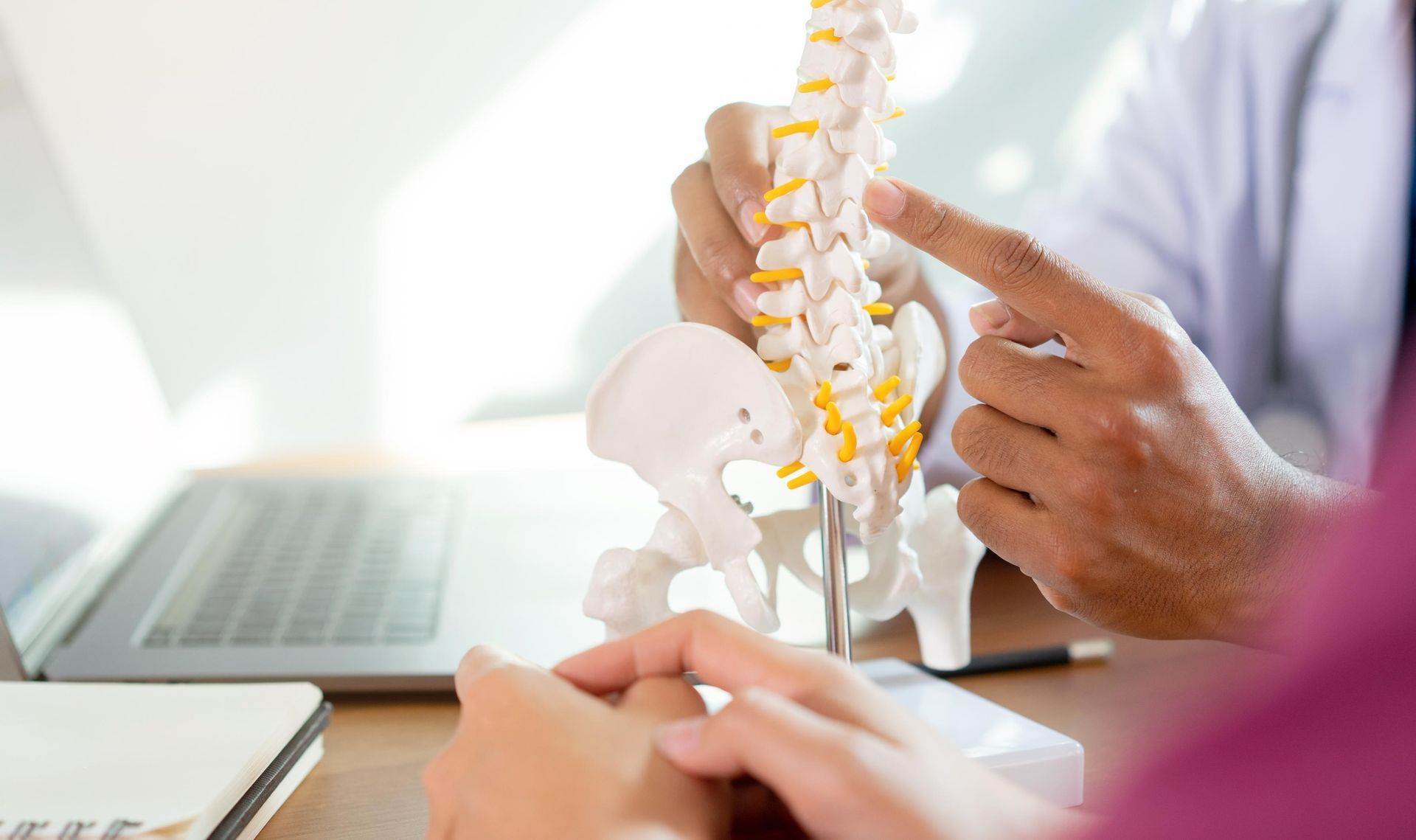
Work injury care at Kauzlarich Chiropractic in Bloomfield, IA focuses on the assessment and management of musculoskeletal conditions that develop as a result of occupational tasks, workplace accidents, or repetitive job-related strain. These injuries may occur suddenly due to a specific incident or develop gradually over time due to repeated physical stress on the body.
Each appointment is scheduled individually to allow for a detailed review of the injury, work duties, and symptom progression. The evaluation process centers on spinal alignment, joint function, and muscular balance as they relate to the physical demands of a patient’s occupation.
Occupational Strain and Repetitive Motion Injuries
Many work-related injuries develop from repeated movements or sustained postures that place ongoing stress on the spine and surrounding structures. These patterns are commonly seen in both physically demanding jobs and sedentary work environments.
Repetitive Movement Stress Assessment
Repetitive tasks such as lifting, bending, twisting, or reaching can gradually affect spinal alignment and joint mobility. Evaluation focuses on identifying areas where repeated motion has contributed to restricted movement or muscular tension.
Prolonged Postural Stress Evaluation
Jobs that require extended sitting or standing can place continuous pressure on the neck, shoulders, and lower back. Postural assessment examines how these positions influence spinal curvature and overall structural balance.
Cumulative Microtrauma Observation
Over time, small repeated stresses can accumulate and contribute to chronic discomfort or reduced function. Chiropractic evaluation identifies patterns of strain that may not be linked to a single incident but instead reflect long-term occupational demands.
Acute Workplace Injury Assessment
Some work injuries occur suddenly due to accidents, slips, falls, or unexpected physical exertion. These incidents may result in immediate pain or delayed symptoms affecting spinal and musculoskeletal function.
Sudden Impact and Strain Evaluation
Acute injuries are assessed for immediate changes in spinal alignment, joint mobility, and soft tissue response. This includes examining areas that may have been affected by sudden force or awkward movement.
Lifting and Overexertion Injury Review
Improper lifting techniques or heavy physical exertion can place stress on the lower back and supporting muscles. Evaluation focuses on identifying strain patterns and movement limitations following such events.
Post-Incident Symptom Development Monitoring
Symptoms following workplace injuries may evolve over time. Ongoing assessment helps track changes in pain, stiffness, or mobility as the body responds to the initial injury.
Spinal and Musculoskeletal Function in Work-Related Injuries
Work injuries often involve multiple regions of the spine depending on the nature of the job and the type of physical stress involved.
Cervical Spine and Shoulder Region Assessment
Neck and shoulder strain is commonly associated with desk work, overhead lifting, or repetitive upper-body motion. Evaluation includes checking for restricted movement and muscular tightness in these areas.
Thoracic Spine and Mid-Back Evaluation
The mid-back plays a key role in posture and upper body support. Work-related stress in this region may develop from prolonged sitting or repetitive forward bending tasks.
Lumbar Spine and Lower Back Function Analysis
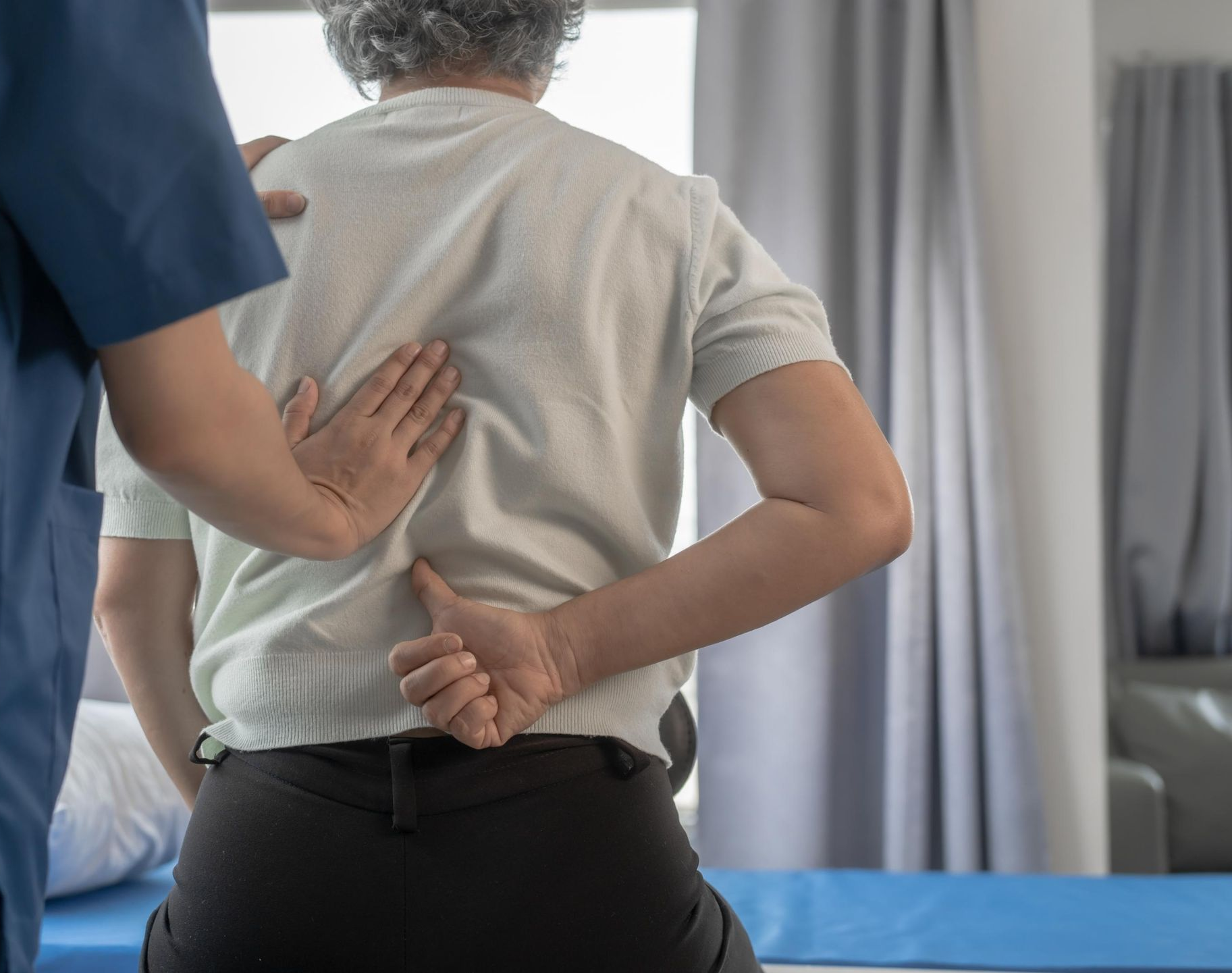
Lower back injuries are frequently associated with lifting, twisting, and bending activities. Assessment focuses on identifying joint restriction, muscular strain, and movement limitations in the lumbar region.
Functional Impact of Occupational Injuries
Work-related musculoskeletal conditions can affect a person’s ability to perform job duties, maintain posture, and complete daily physical tasks.
Movement Limitation During Work Activities
Injuries may reduce the ability to bend, lift, or rotate comfortably. Functional evaluation observes how these movements are affected during routine activity patterns.
Muscle Compensation and Protective Patterns
When an area of the body is injured, surrounding muscles may compensate to maintain stability. This can lead to additional tension and uneven movement patterns.
Fatigue and Endurance Changes
Occupational injuries may also contribute to reduced physical endurance, especially when spinal alignment and muscle balance are affected over time.
Chiropractic Evaluation and Follow-Up Care
Work injury care in Bloomfield, IA includes structured evaluation and ongoing monitoring of spinal and musculoskeletal changes following occupational stress or injury.
Initial Injury Assessment and History Review
Each case begins with a detailed review of the work environment, job duties, and how the injury occurred. The spine and surrounding structures are then evaluated for signs of dysfunction or restriction.
Movement and Postural Analysis
Functional movement testing is used to observe how the body responds to work-like motions such as lifting, bending, or reaching. This helps identify areas of limited mobility or discomfort.
Ongoing Monitoring of Recovery Progress
Follow-up appointments are used to track changes in spinal function and symptom presentation over time. This allows for consistent evaluation of how the body is responding to occupational strain.
Appointment-Based Work Injury Care in Bloomfield, IA
All work injury evaluations at Kauzlarich Chiropractic are conducted by appointment only to ensure focused attention on each patient’s condition and work-related concerns.
Scheduled Injury Evaluation Visits
Each appointment is reserved for one patient, allowing time to review injury details, perform spinal assessment, and discuss occupational demands affecting recovery.
Continuity of Care for Work-Related Conditions
Work injuries often require ongoing evaluation. Follow-up scheduling ensures consistent monitoring of spinal health and musculoskeletal function throughout the recovery process.
Coordination of Injury Documentation
When needed, documentation of physical findings and functional changes is maintained over time to reflect the progression of the condition during care.